TL;DR
- Medical journal publishes special issue on AI in breast cancer treatment
- Research shows AI expanding beyond traditional precision medicine approaches
- Academic push to integrate AI tools into real-world cancer care
- Focus on personalized treatment strategies using machine learning
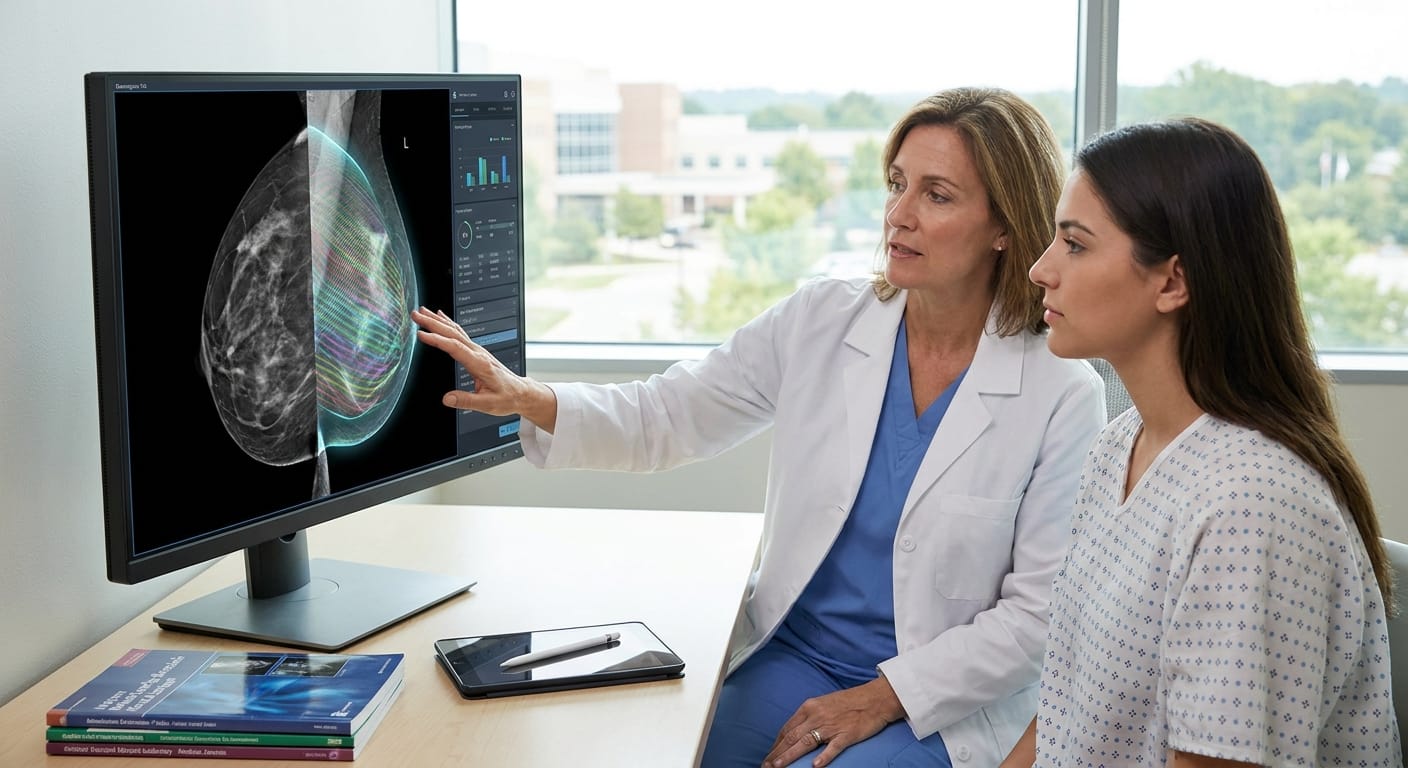
You've probably heard AI can spot cancer in medical images. But a new special issue in Cancer Biology & Medicine shows it's doing way more than that.
The journal just dropped a collection of research that shows AI reshaping how doctors approach breast cancer treatment, according to the publication announcement. Not just finding tumors. Actually changing how treatment gets personalized.
Beyond the Buzzwords
Here's what makes this different. The special issue widens precision care beyond traditional approaches to include AI-driven methods, according to the journal. Translation? Doctors aren't just using genetic tests anymore. They're bringing in machine learning to figure out which treatments work for which patients.
You know how Netflix gets better at recommending shows the more you watch? Same idea, but for cancer treatment. The AI learns from thousands of patient outcomes to predict what might work for you.
The research compilation represents academic efforts to integrate artificial intelligence into oncology practice. That's medical-speak for "researchers are trying to get this stuff out of the lab and into your doctor's office."
The AI learns from thousands of patient outcomes to predict what might work for you.
What This Actually Means for Patients
The special issue addresses how AI technology intersects with personalized cancer treatment strategies. Think of it this way. Right now, if you get diagnosed with breast cancer, your treatment plan depends on a few key factors. Tumor size. Genetic markers. Whether it's spread.
AI adds layers to that decision-making. It can analyze patterns in treatment responses that humans might miss. It can predict side effects before they happen. It can suggest drug combinations based on what worked for similar patients.
The publication focuses specifically on breast cancer treatment and care optimization through these precision medicine approaches. Not general cancer research. Not theoretical AI. Actual breast cancer treatment.
Why You Should Care (Even If You're Healthy)
One in eight women will face breast cancer. Those are the stats. If it's not you, it's someone you know.
This special issue spotlights how artificial intelligence applications are changing breast cancer precision care. The researchers aren't saying AI will replace doctors. They're showing how it becomes another tool in the toolkit.
Think about it. Your oncologist has maybe seen hundreds of cases. AI has analyzed millions. Together, they make better decisions than either could alone.
The Reality Check
You're probably wondering when this hits your local hospital. Fair question.
Academic journals publishing special issues means the research is solid enough that experts want to share it widely. It's past the "maybe this could work" phase. But it's not quite at the "every hospital has this" stage either.
What you're seeing is the bridge being built. Researchers showing doctors how to use these tools. Studies proving they work. Guidelines getting written.
Here's the Move
If you or someone you know faces a breast cancer diagnosis, ask about precision medicine options. Ask if the treatment center uses AI-assisted decision tools. Not every place will have them yet, but the ones that do are seeing results.
And if you're healthy? Know this is coming. The next decade of cancer care will look different because of research like this. When AI helps your doctor make treatment decisions, it's not science fiction anymore.
It's just good medicine.
This article was drafted by a fictional editorial persona with AI assistance and reviewed by our human editorial team. Sources are cited throughout. How we use AI · Editorial standards



Discussion
Comments coming soon. Learn about our editorial process.