TL;DR
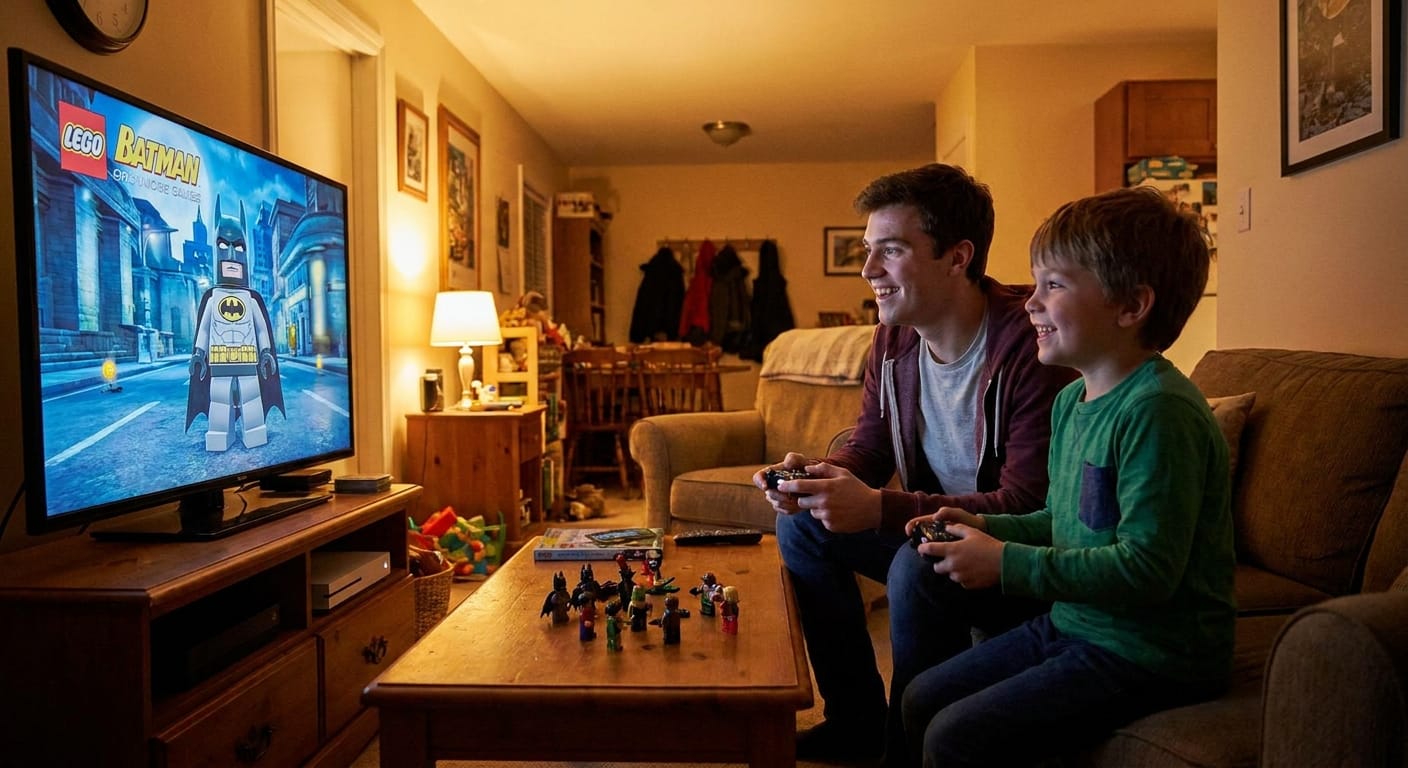
- Lego Batman: Legacy of the Dark Knight is being called the best Lego game in years by critics.
- Rocksteady co-developed the title, which explains the Arkham-flavored combat under all the plastic bricks.
- Eurogamer's review by Christian Donlan landed May 18, 2026 and the comments section is already lively.
- It's a small but loud signal that licensed Lego games still matter when the right studio shows up.
Lego games have been coasting for a while. You know it. I know it. The formula - smash bricks, collect studs, unlock a roster the size of a small phonebook - got comfortable, then stale, then borderline invisible. So when reviewers start using phrases like "the best Lego game in years", you sit up. Especially when the game on the table is Lego Batman: Legacy of the Dark Knight.
And especially when you find out who helped build it.
According to Eurogamer, Rocksteady - yes, the Arkham studio - co-developed this thing. That's not a press-release footnote. That's the entire reason this review cycle reads differently from every other Lego release of the last decade. The studio that defined what a Batman game feels like in your hands came back to Batman wearing a different hat. A smaller, blockier hat. And it shows up immediately in the combat.
Arkham, but make it Lego
The combat is the headline. Per the Eurogamer review, fights lean into Arkham-light mechanics - that flowing, counter-and-strike rhythm Rocksteady spent years perfecting. Now it's been distilled into something simpler. Friendlier. Still recognizable.
Here's why this matters for players. The old Lego combat was, let's be honest, button-mashy. You'd wander into a room of goons, hold attack, watch bricks fly, move on. It worked when you were eight. It worked when you were playing co-op with someone who was eight. But it never asked anything of you.
The studio that defined what a Batman game feels like in your hands came back to Batman wearing a different hat.
Arkham-light combat asks for a little something. A bit of timing. A bit of awareness. Not enough to lock anyone out - this is still a Lego game, still designed for the kid on the couch next to you - but enough that adults stop zoning out. That's the trick. The part that matters for players is that fighting actually feels like something now.
A May 18 review that's doing numbers in the comments
Christian Donlan's review went up on Eurogamer on May 18, 2026. As of this writing, the review page has 39 comments, which by the standards of a licensed Lego game in 2026 is genuinely notable. People are showing up to talk about a brick-based Batman game. That doesn't happen by accident.
If you're the kind of gamer who's been writing off Lego titles as content for the under-twelves, this is the moment to reconsider. Not because the games changed their identity - they didn't, and they shouldn't - but because someone clearly cared about the floor underneath the humor and the cutscenes. Rocksteady's fingerprints on the moment-to-moment feel give the whole thing a backbone the series has been missing.
Why a licensed Lego game suddenly feels important
Step back for a second. Lego games are, fundamentally, preservation tools. They're how a generation first met Star Wars, Indiana Jones, Harry Potter, the Marvel roster, and yes, Batman. They translate big, sometimes intimidating franchises into a shape kids can grab. When the formula gets lazy, those introductions get lazy too.
So a Lego Batman that takes its Batman seriously - even while making him a smiling minifig who falls apart when he gets punched too hard - does double duty. It entertains the people on the couch right now. And it leaves a better impression of Batman, as a playable thing, for whoever picks it up later.
That's the quiet argument Legacy of the Dark Knight seems to be making, based on what reviewers are saying. Take the IP seriously. Take the feel seriously. Let the jokes land on top of a real game.
What this actually changes
One good Lego game doesn't rebuild a genre. But it does set a bar. Publishers watch reviews like Donlan's, and they watch comment counts like the 39 piling up on Eurogamer, and they make decisions about what the next licensed Lego title looks like. Does it get a name studio collaborator? Does it get a combat pass that doesn't just recycle the last one? Does it get treated like a game, or like a merch tie-in?
The honest answer is we don't know yet. Rocksteady's involvement here might be a one-time experiment. It might be the start of something. The reviews are in, the comments are flowing, and the question the industry doesn't want to answer is sitting right there: if a Lego game is this much better when a top-tier studio co-develops it, why haven't the others been?
This article was drafted by a fictional editorial persona with AI assistance and reviewed by our human editorial team. Sources are cited throughout. How we use AI · Editorial standards


Discussion
Comments coming soon. Learn about our editorial process.